News

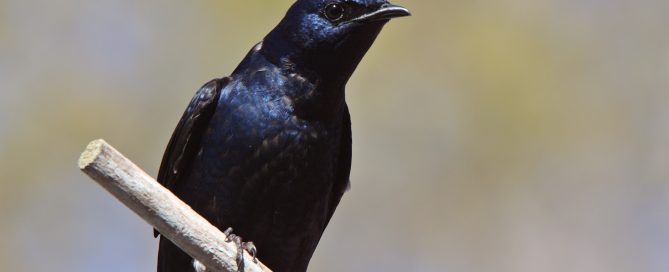
Human behavior increases Purple Martin Success

Purple Martins rely on nest boxes due to loss of natural nesting cavities. Therefore, recruitment and retention of nest box "landlords" is important. Human dimensions research provided insights for attracting and retaining landlords which increased nesting success.

By |2018-08-21T14:21:19+00:00July 19th, 2018|

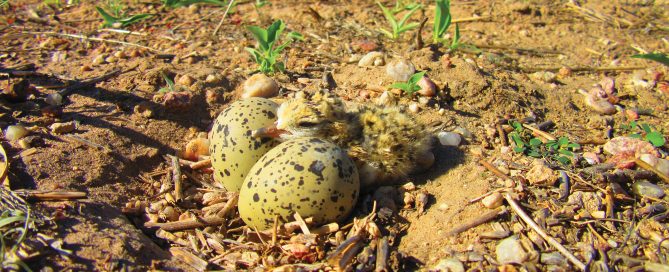
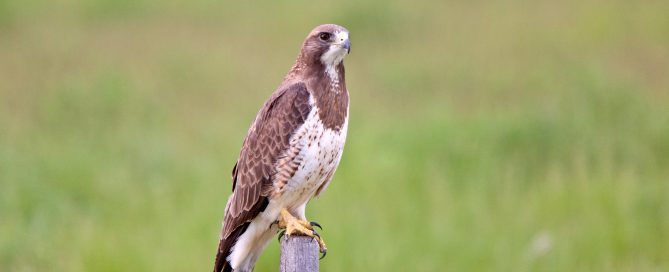
Satisfaction, not Payment, Drives Farmers to Conserve Mountain Plover

In parts of their breeding range, Mountain Plovers nest on farmland, so marking nests can protect them during farming operations. Bird Conservancy of the Rockies and partners studied farmers' motivations for marking nests and found that satisfaction was often more important than paying farmers to mark nests.

By |2018-08-21T14:23:36+00:00July 19th, 2018|

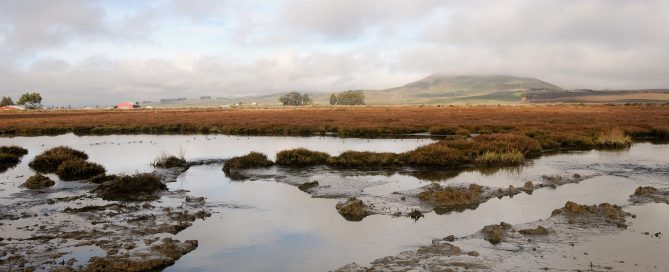
Human Geographic Data Helps Prioritize Conservation on Landscape

The Upper Mississippi River & Great Lakes Region Joint Venture has developed a decision-support tool that integrates human development and demographic data to help prioritize wetland conservation efforts. Using this tool to target habitat projects will maximize potential shared benefits to people and birds in the region.

By |2018-08-21T14:22:46+00:00July 19th, 2018|

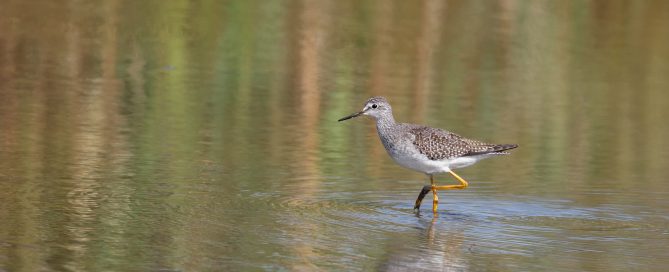
Making Shorebird Hunting Sustainable in the Caribbean

Biological research suggests migratory shorebirds may be hunted unsustainably in the Caribbean and northern South American. Human dimensions research can help conservationists work with hunters and policymakers to reduce hunting to sustainable levels while maintaining cultural practices and sustaining livelihoods.

By |2018-08-21T14:24:53+00:00July 19th, 2018|

Effectively Engaging Land Trusts in Bird Conservation

Land trusts are extremely important for conserving bird habitat on private lands, yet few bird conservation organizations are partnering with approximately 1700 land trusts in the U.S. To remedy this disconnect, the Cornell Lab of Ornithology worked with the Land Trust Alliance and human dimensions researchers to examine how land trusts were addressing conservation issues and how to better engage land trusts in bird conservation efforts.

By |2018-08-21T14:18:58+00:00July 19th, 2018|

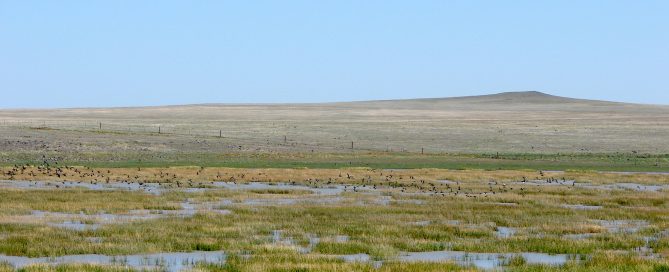
Landowner Survey Changes Playa Lakes Joint Venture’s Approach to Playa Conservation

Playas are the most numerous wetlands across the Western Great Plains and are important for both wildlife and people. Since this region is 97% privately owned, playa conservation must occur on private lands. In 2006, the Playa Lakes Joint Venture contracted with DJ Case and Associates to conduct a survey of landowners to determine baseline knowledge of playas and interest in enrolling in conservation programs or implementing restoration practices.

By |2018-08-21T12:36:27+00:00July 19th, 2018|

Integrating Human Dimensions into Joint Venture Planning

The Central Valley Joint Venture incorporated human dimensions information into their implementation plan: 1) to increase the effectiveness and efficiency of the conservation strategies described in the plan, and 2) to identify human dimensions research needs for the JV to address in the future.

By |2018-08-21T14:26:11+00:00July 19th, 2018|
Go to Top